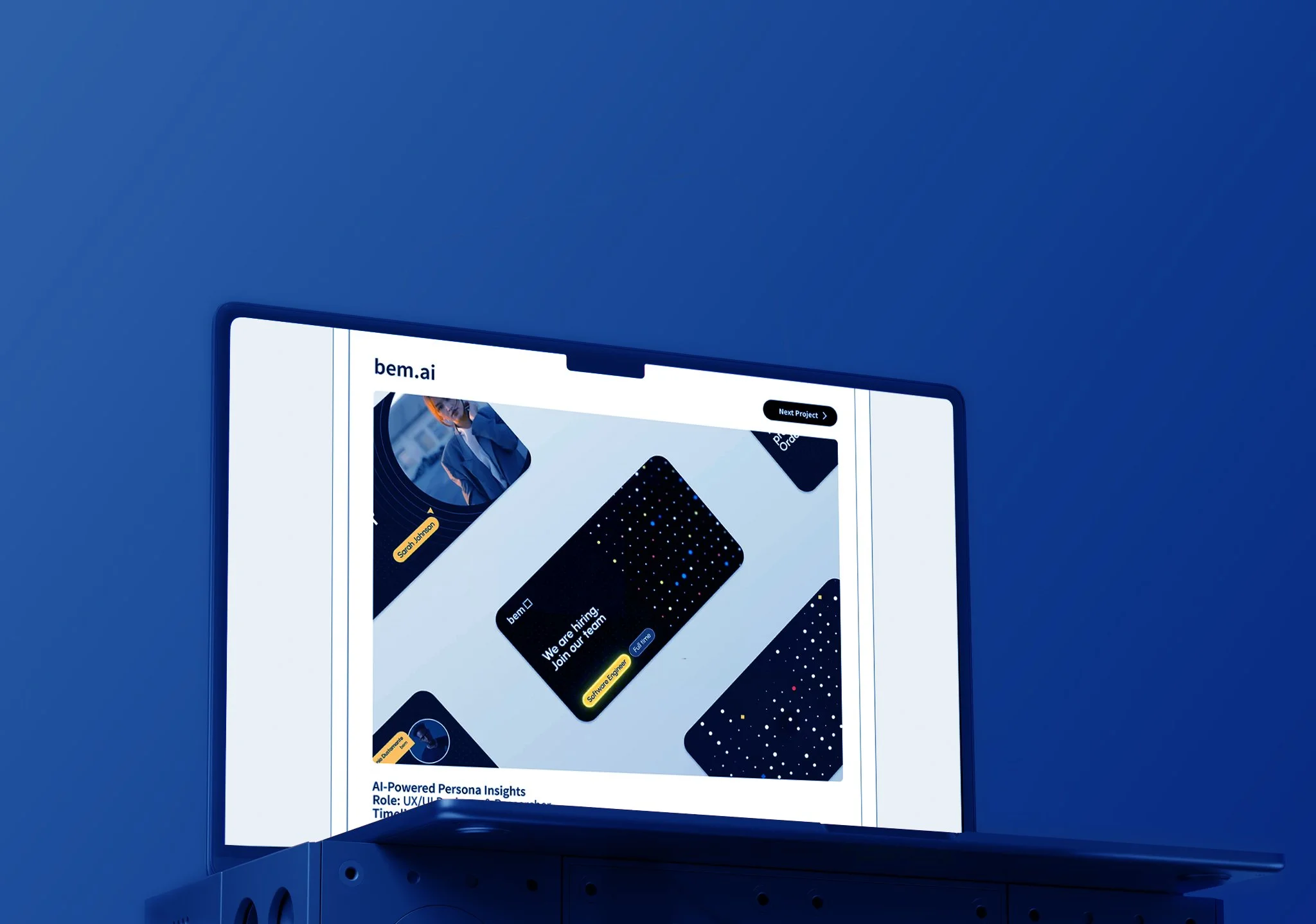
A Creative Problem
LinkedIn’s Creators
need a more creative platform.
My role: UX Design
LinkedIn has grown to be the defacto job searching and networking platform for professionals. While it has secured itself as the major player in this space with
over 1.2 billion users globally, it’s popularity and over saturation has become
it’s problem.
For creatives showcasing their work, this problem is simply the beginning.
I was part of a creative and ambitious UX team with a goal to make LinkedIn a more clear and seamless platform to showcase creative work and help top and well deserved talent stand out.
To comply with my non-disclosure agreement, I have omitted and obfuscated confidential information in this case study. All information in this case study is my own and does not necessarily reflect the views of LinkedIn.
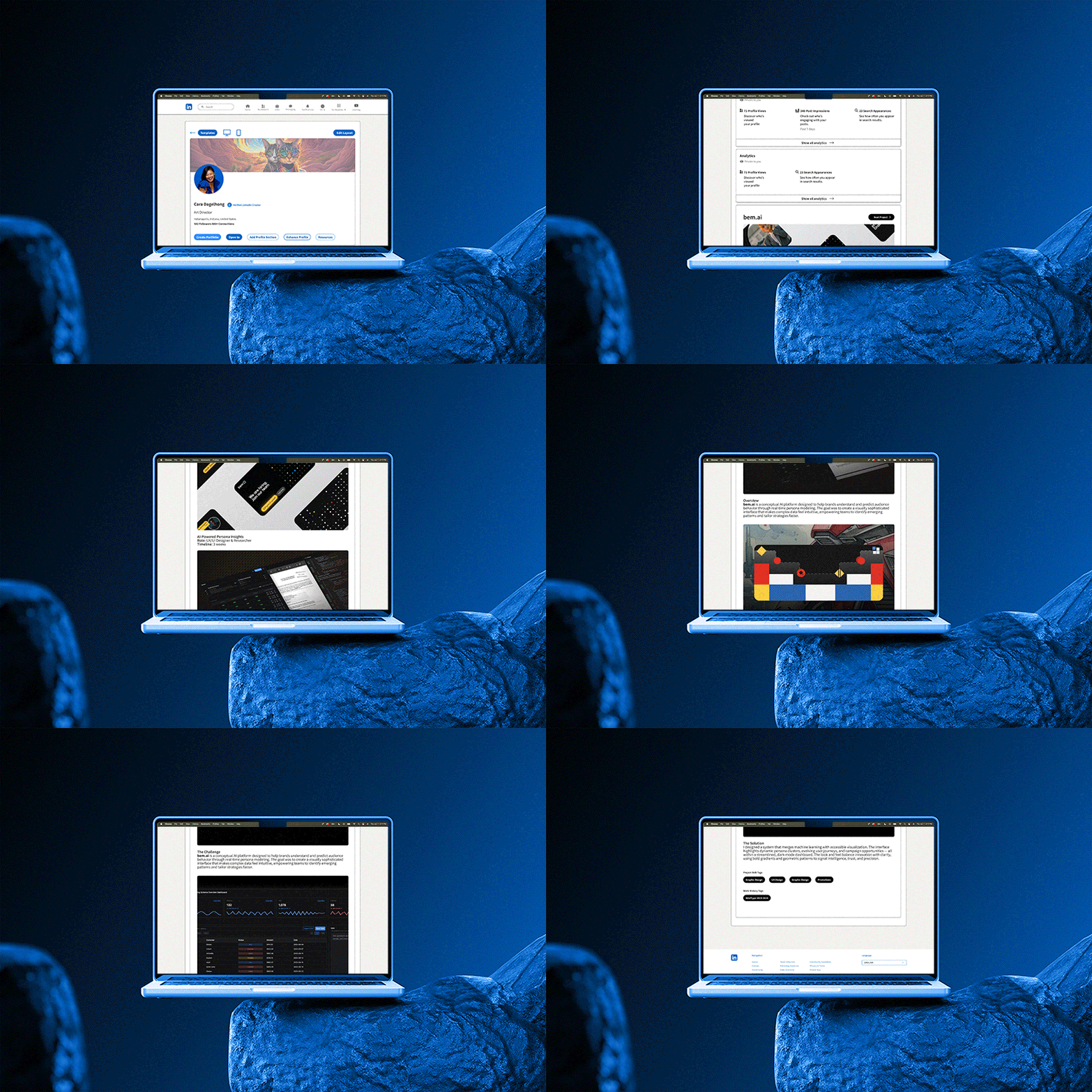
How can LinkedIn
showcase portfolios?
Better and smoother.
The Problem
With LinkedIn being such a huge player in the job searching space using new tech like AI-driven algorithms and advanced ranking and statistics, it falls short in supporting the people focused profiles of creatives and those who build and create this new technology.
LinkedIn is essentially just a fluid and dynamic, super resume. An antiquated tool of the dot com boom. With this being said, people in creative, technical, and craft-based industries are unfortunately limited to how they can easily and seamlessly showcase their work.
Most often, these users will be forced to host any sort of visual, animated, or coded work on another website like a personal portfolio or Github Repository.
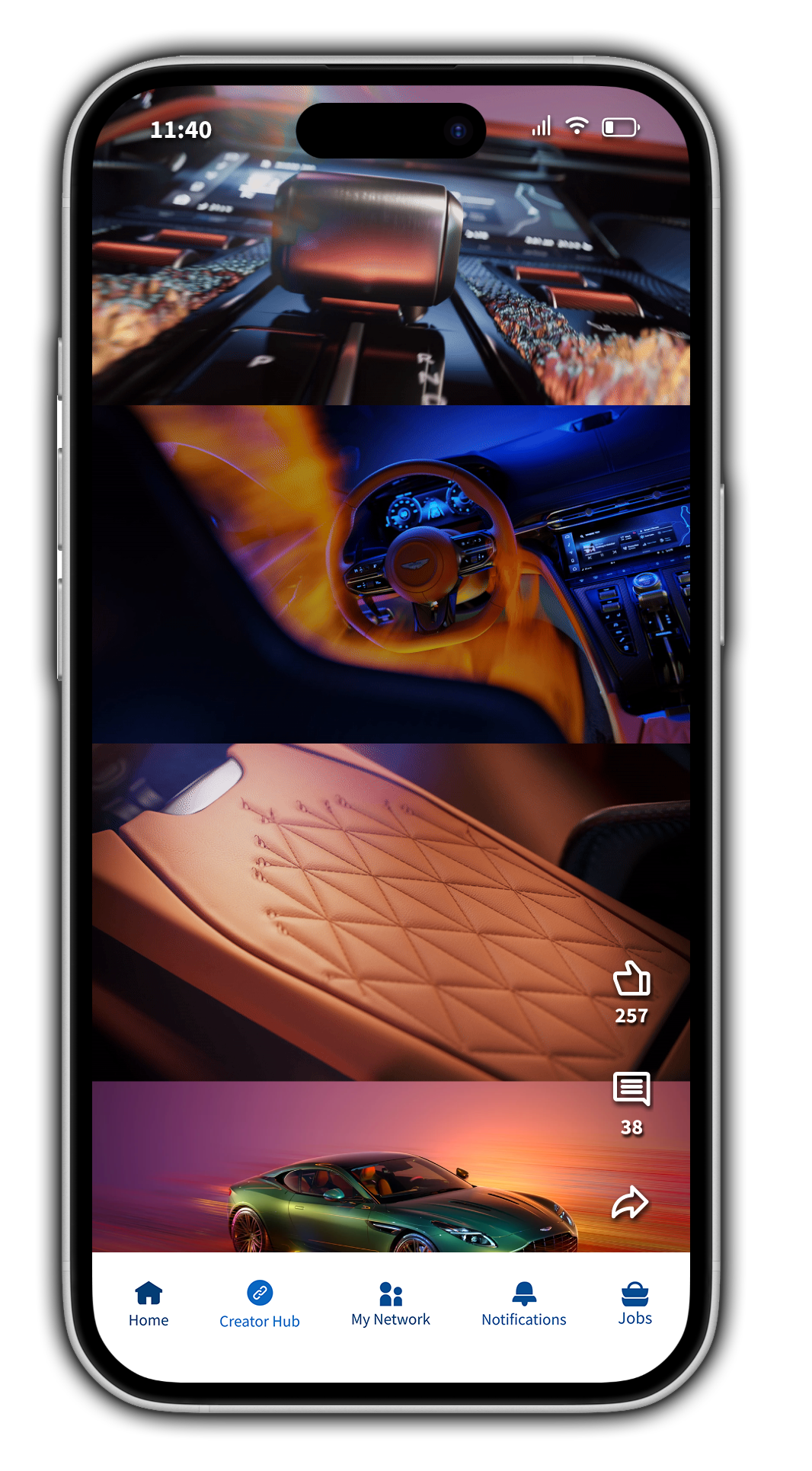
The Challenge. The Opportunity.
LinkedIn wants to create more tools for makers to show off their work in a more user friendly portfolio format without relying on outside portfolio CMS websites.
Starting with research and analysis
At the beginning it was important to compare LinkedIn to other job platforms and portfolio sites to see ways other brands offer similar services.
We conducted 2 main types of research:
SWOT Analysis
to find strenghths, weaknesses, opportunities and threats
Comparative and Competitive Analyses
to see how other brands handle similar user experiences.
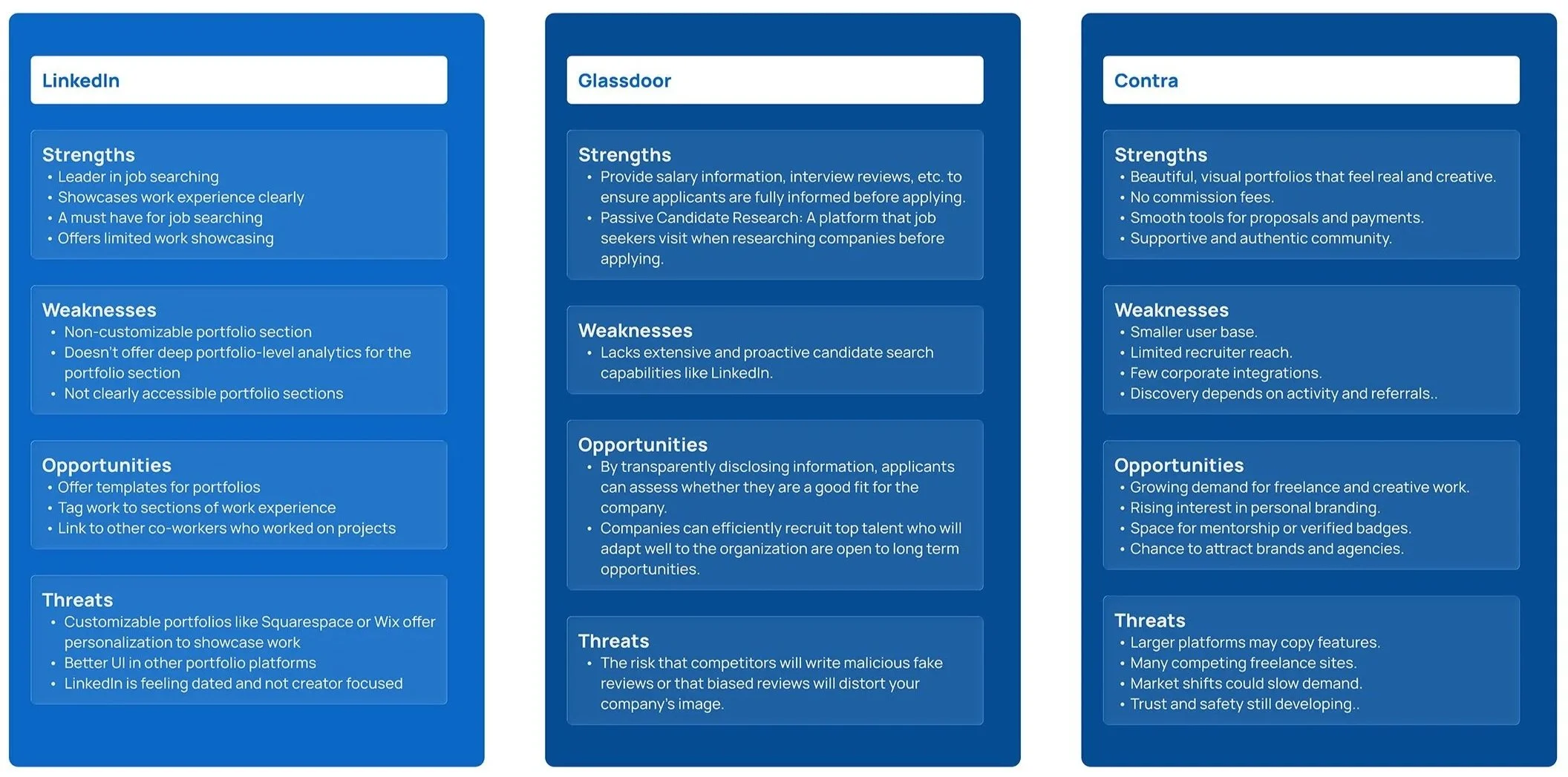
SWOT Analysis
As a leader in job searching and showcasing experience LinkedIn lacks customizable portfolios and creative centric tools as found in Contra.
LinkedIn is a must have for job
searching but offers very limiting abilities for showcasing work.
LinkedIn’s customization UI can be upgraded as found in other portfolio platforms with templates and pre-designed packages.
Competitive Analysis
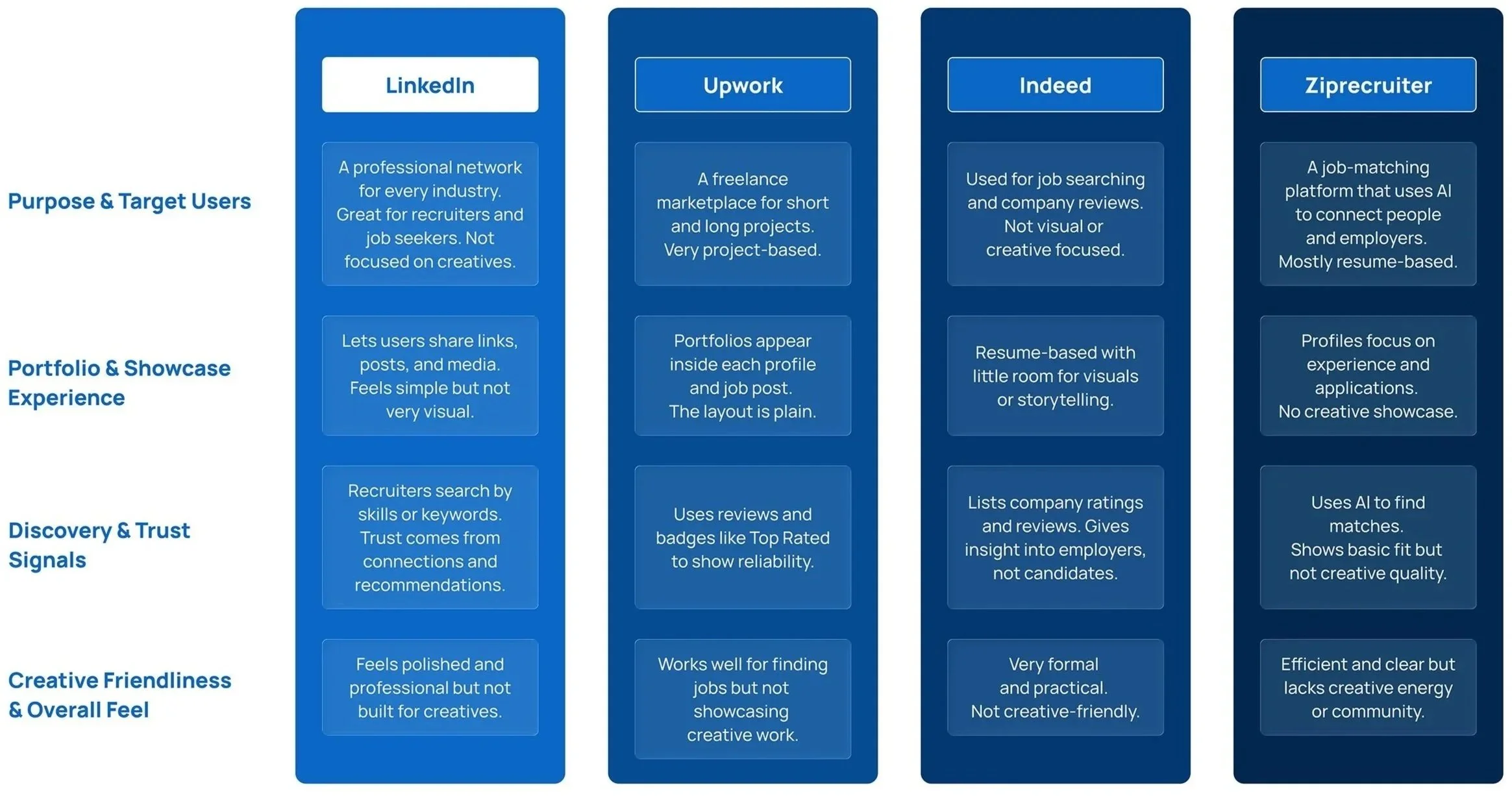
For job seeking, LinkedIn is a professional network for all industries. It feels neutral and polished, however can be overcrowded and users can get lost in the noise.
LinkedIn Recruiter is a helpful tool for Recruiters to find specific roles and candidates.
Comparative Analysis
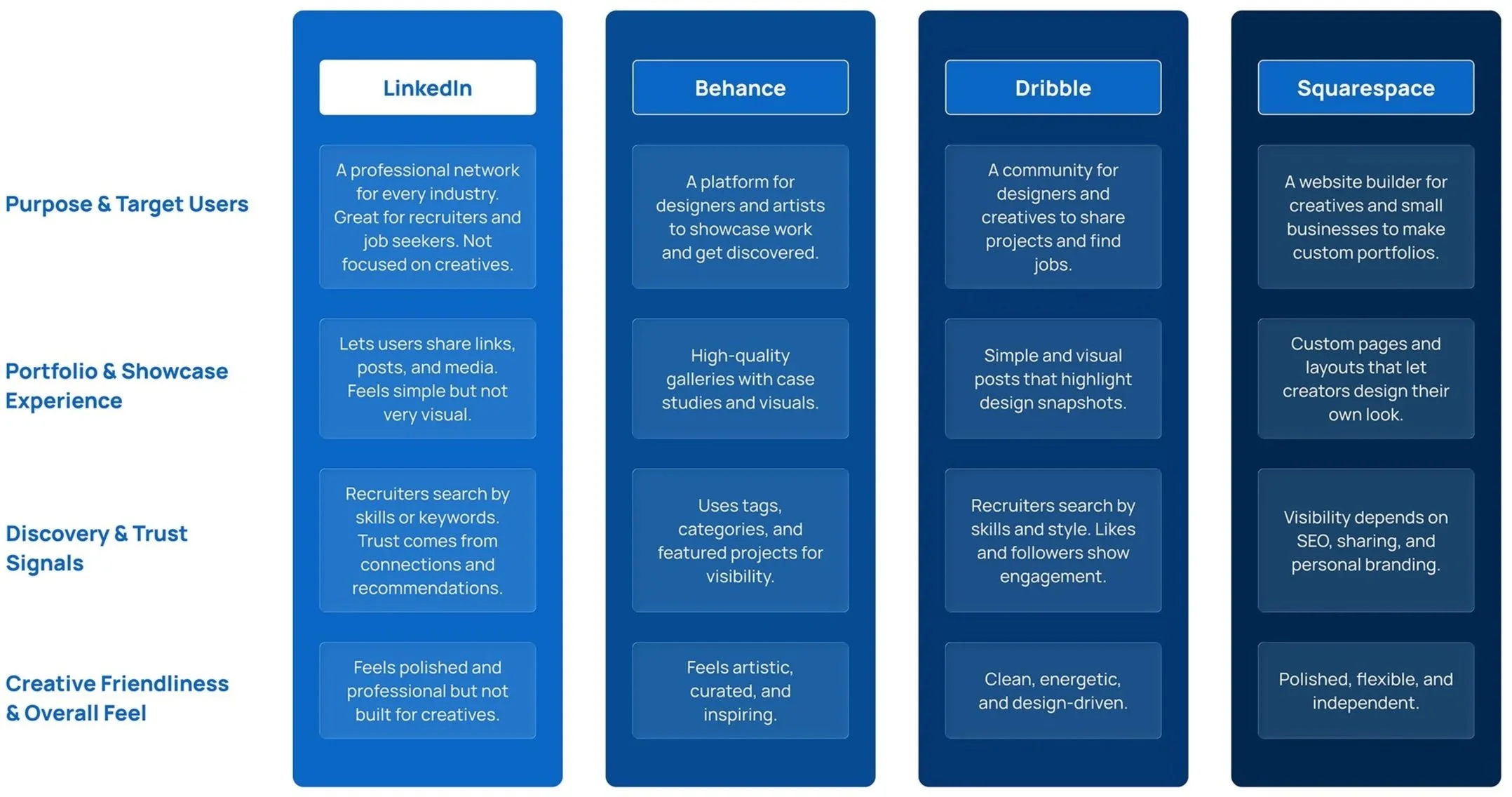
When it comes to showcasing work, Linkedin falls far behind.
It offers small sections within work experience but it is never a customizable experience for the individuality focused creator.
Platforms like Squarespace, Framer, or Weblow offer templates organized by discipline and Dribble offers a community focused approach, while Behance utilizes tags and categories
for better project visibility.
Conducting User Interviews
User interviews were conducted and split into 2 different interview types and questions.
One side focused on recruiters and their point of view using LinkedIn Recruiter, how they found talent, and reviewed work.
Inversely, interviews were conducted with creators and what would make their LinkedIn experience more user friendly for showcasing work and networking.
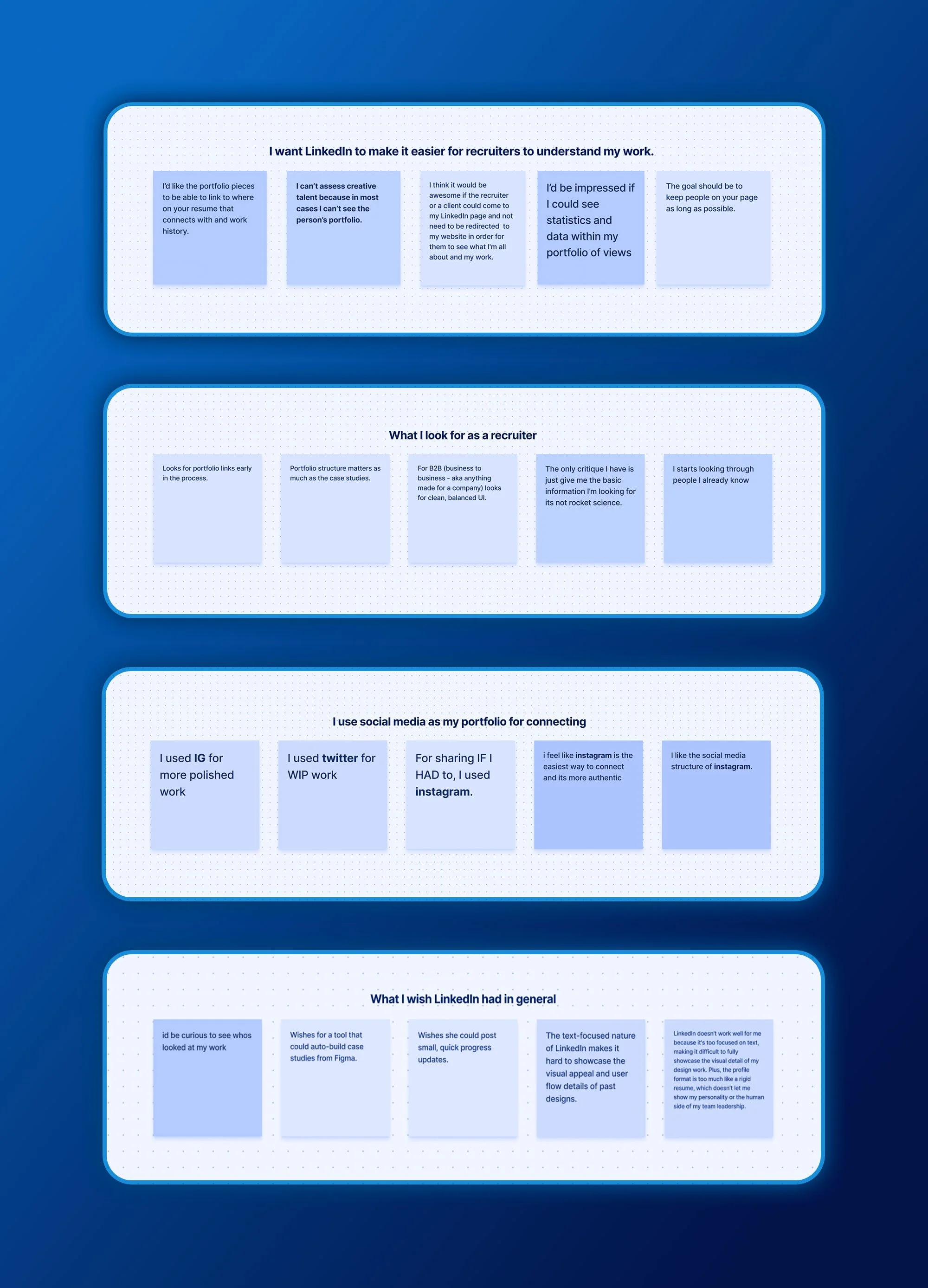
A small sampling of affinity mapping
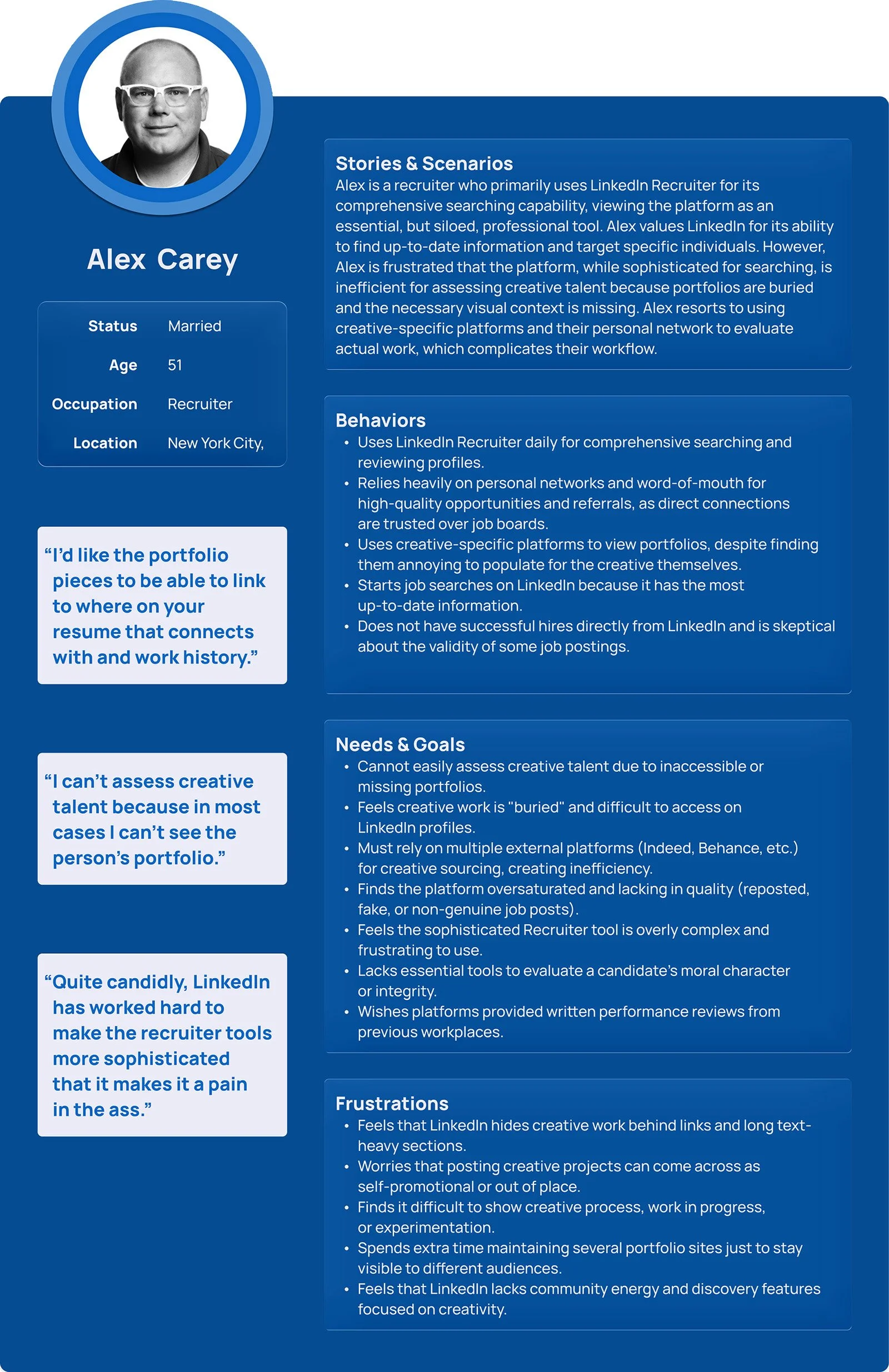
Personalized Personas
2 personas were created to cover both sides of the project:
The recruiter and the creator.
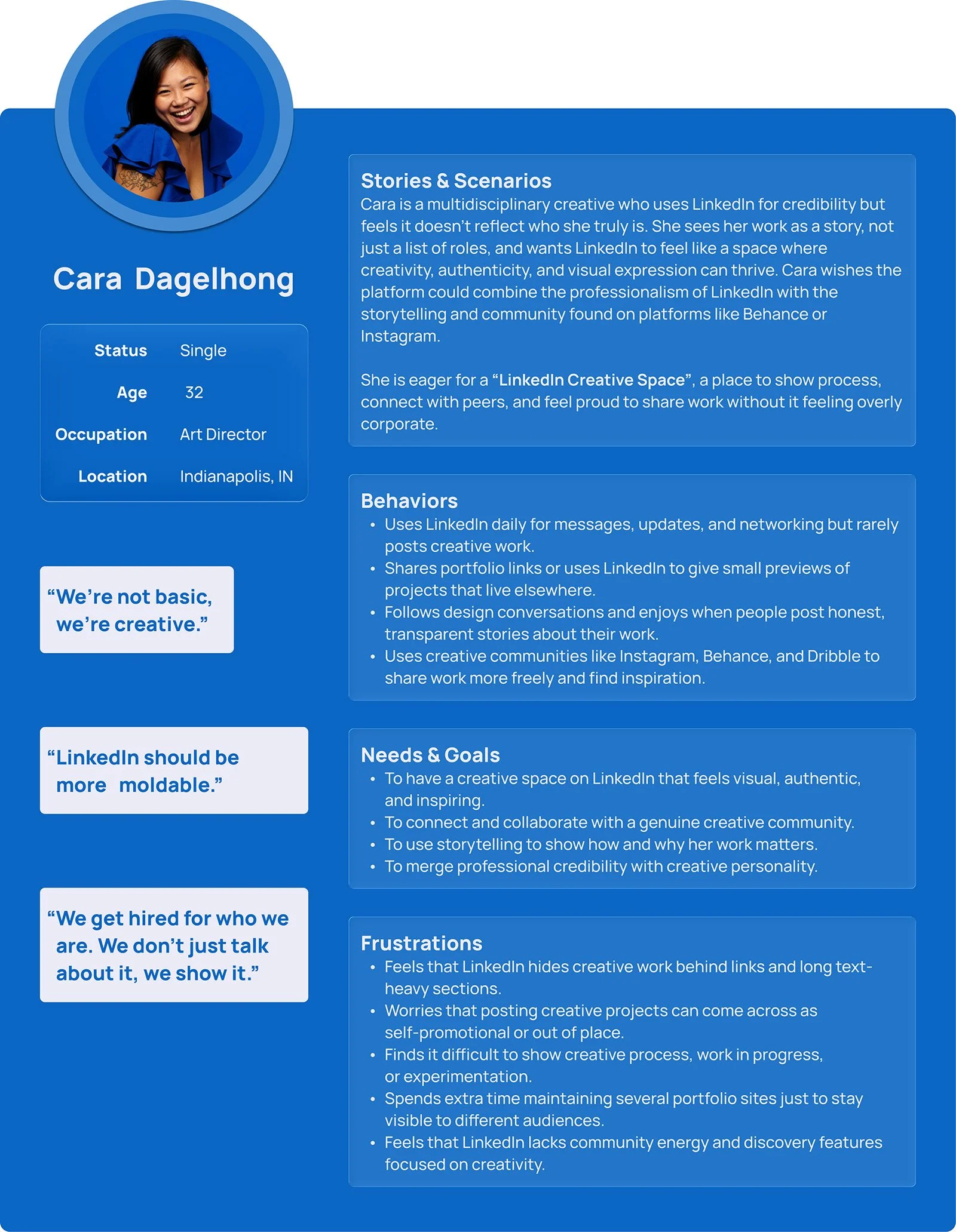
Creators:
They are multidisciplinary creatives who use LinkedIn for credibility.
Linkedin caters to new professionals and seasoned veterans across all creative disciplines. It is currently a one size fits all platform which doesnt align with nuanced creative work.
The work needs to stand out and function differently depending on the discipline. Creatives love to express themselves in their chosen medium and remain professional and business forward. Storytelling is key and sharing their experiences are a must.
Recruiters
Our recruiters we interviewed rely on LinkedIn Recruiter for precise, up-to-date talent search. While essential for sourcing, the platform falls short for evaluating creative work.
Portfolios are buried and visual context is missing. As a result, recruiter must turn to external platforms and personal networks to assess talent, fragmenting the hiring workflow.
“We’re not basic!”
-Maiqui L.
Design Opportunities
• Showcase creative portfolios
• Easier navigation for recruiters
• A robust creative community
• A more customizable portfolio
• Verified creator accounts
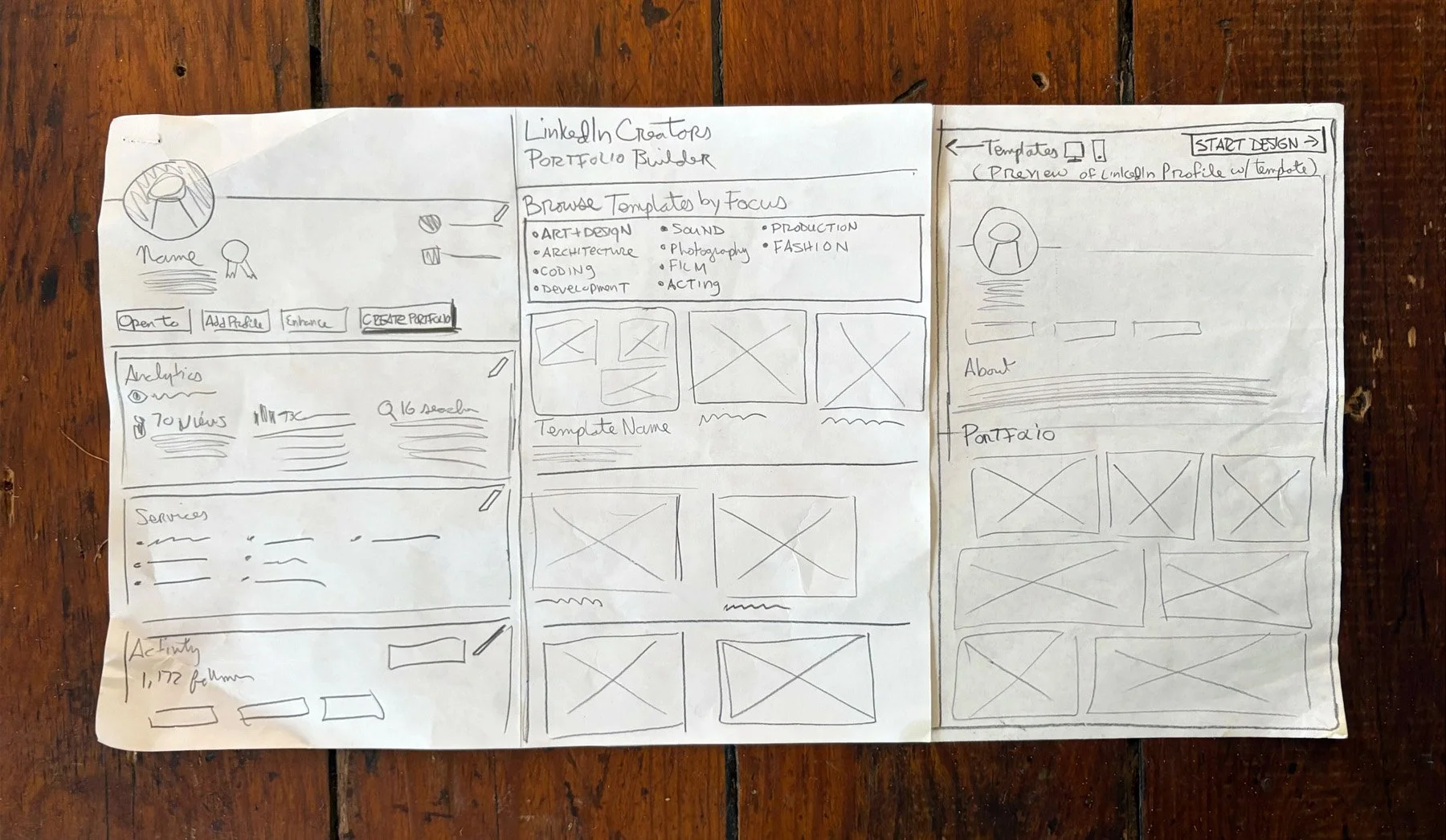
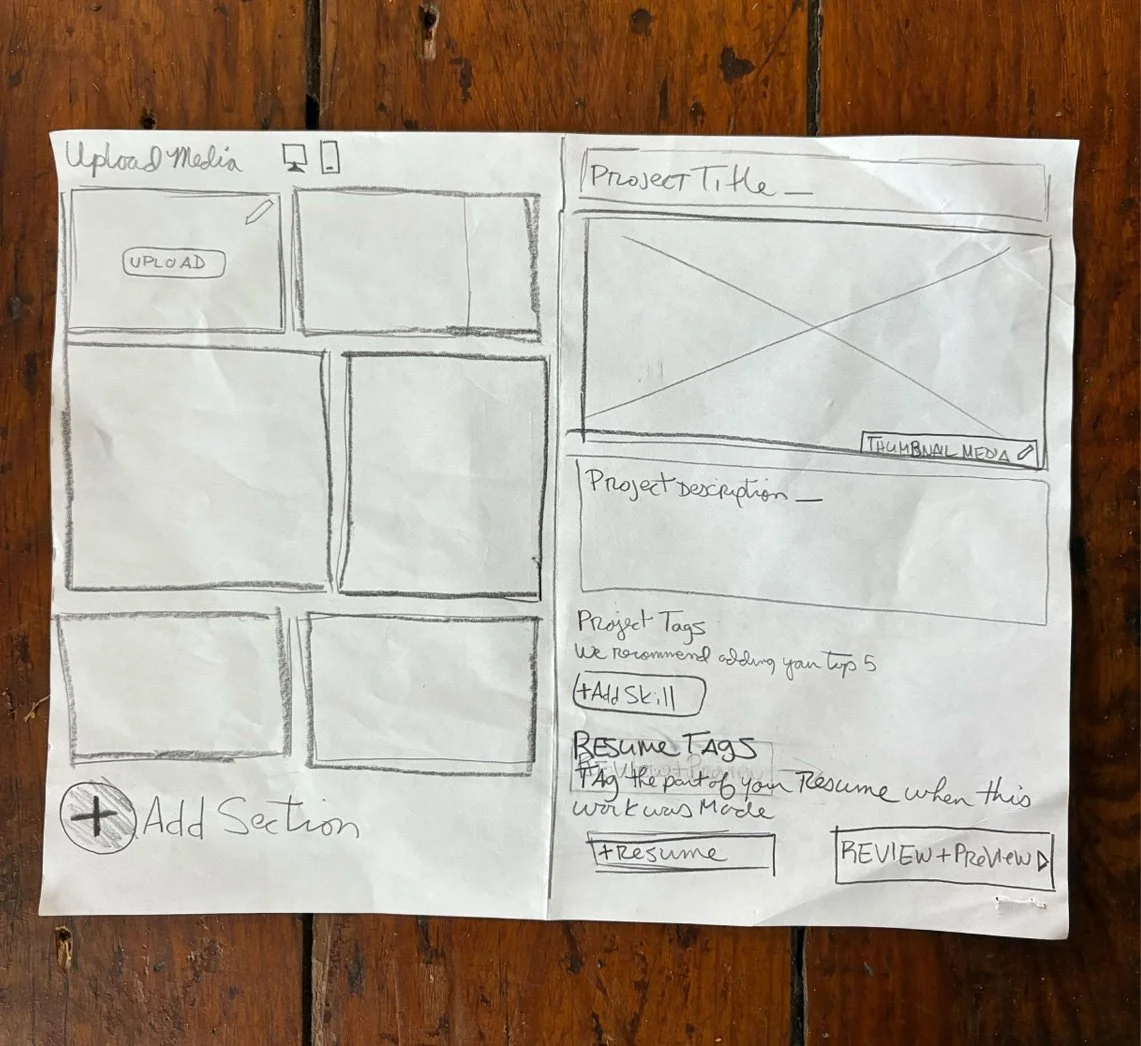
Concept & Ideation
I was tasked with designing for the portfolio builder that would be housed within LinkedIn’s desktop page.
After research with brands like Squarespace or Framer, desiging a portfolio on mobile is doable but due to size, scale, and accessibility, it was really not preferred.
With this in mind, our logical move was to build the portfolio on desktop and optimize the layouts to be viewed for mobile.
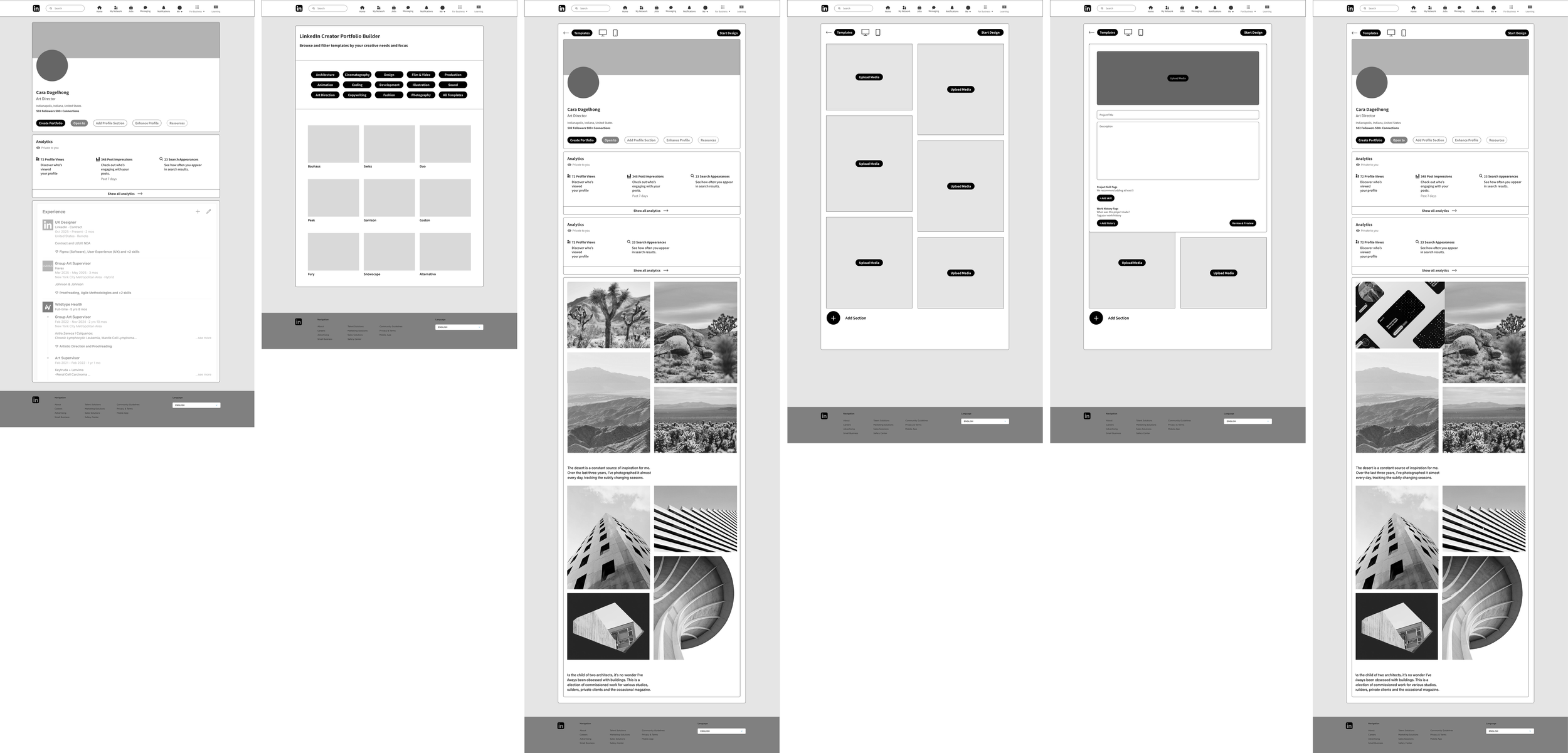
Prototyping
Figma prototypes were built for user testing.