CASE STUDY — ONCOLOGY COMMUNICATIONS
Designing Clarity in
Complex Systems.
Building communication systems that transform complex information into clear, actionable experiences.
This oncology communications initiative required the integration of scientific data, patient education, digital experiences, and branded storytelling across multiple touch points. The goal was simple: make the complex understandable.
CLIENT
Merck / KEYTRUDA
DISCIPLINE
Communications Design
SCOPE
Multi-Channel Initiative
DATA VISUALIZATION & DIGITAL EXPERIENCES
Turning Complexity
into Understanding.
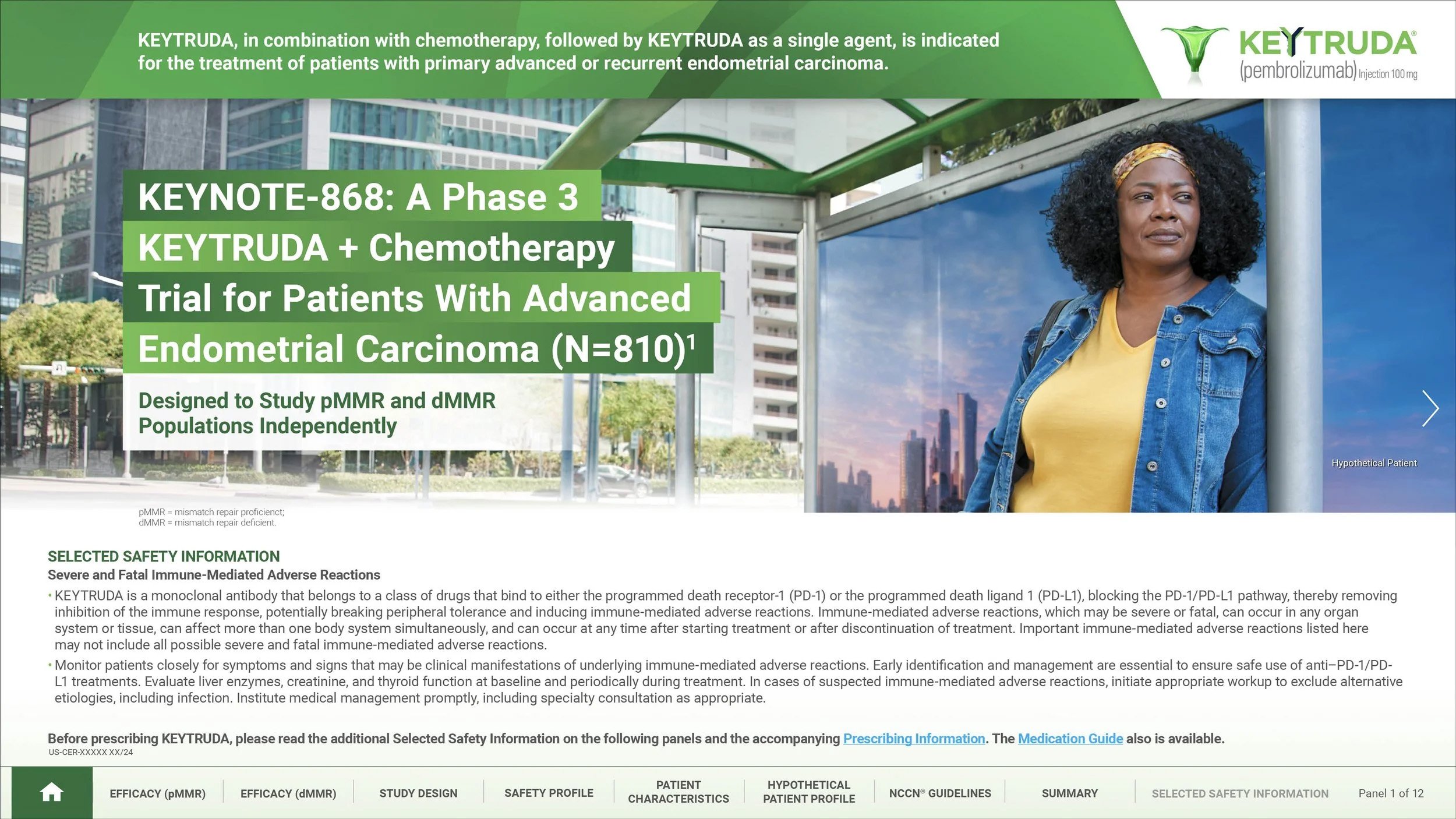
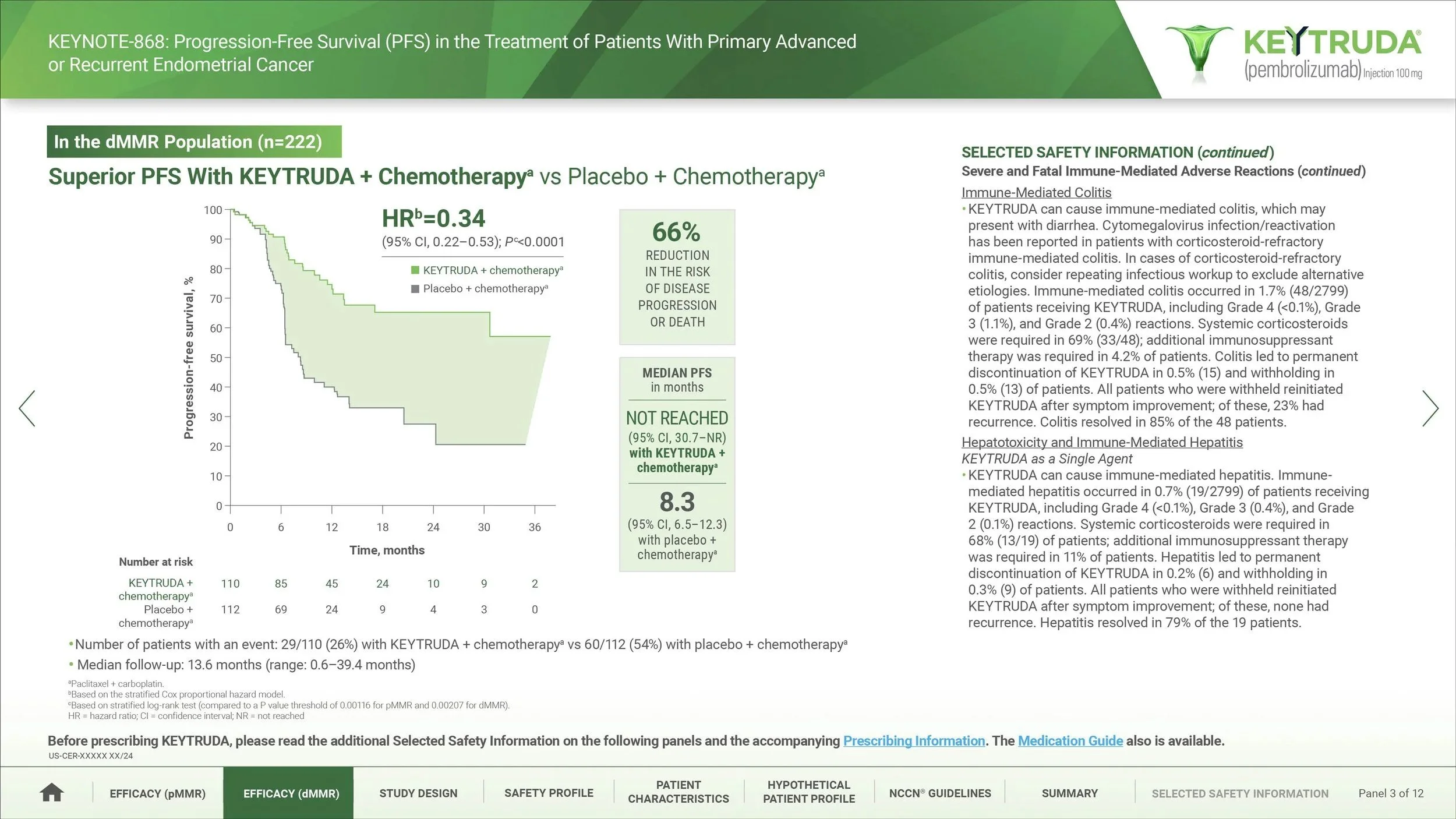
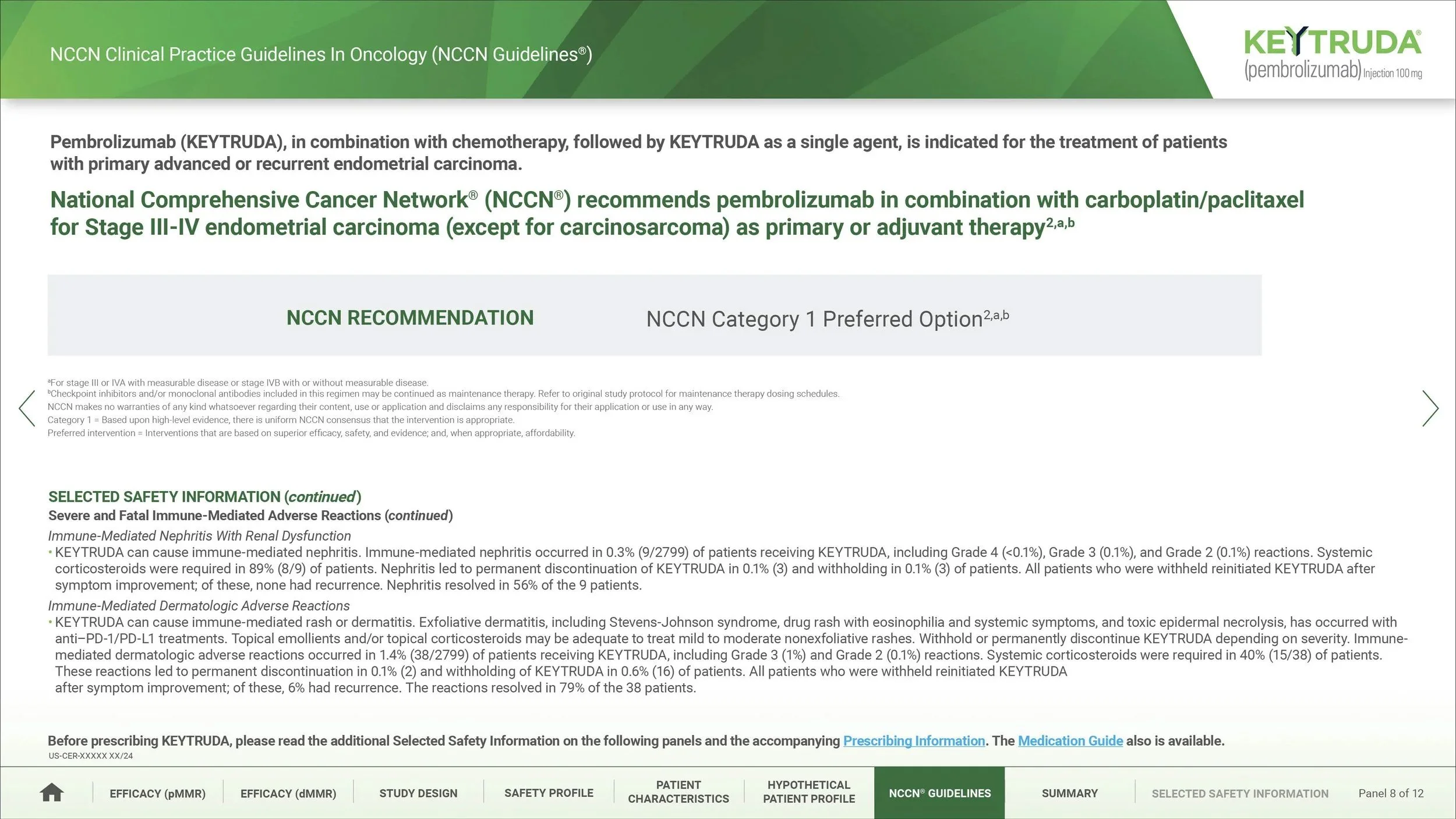
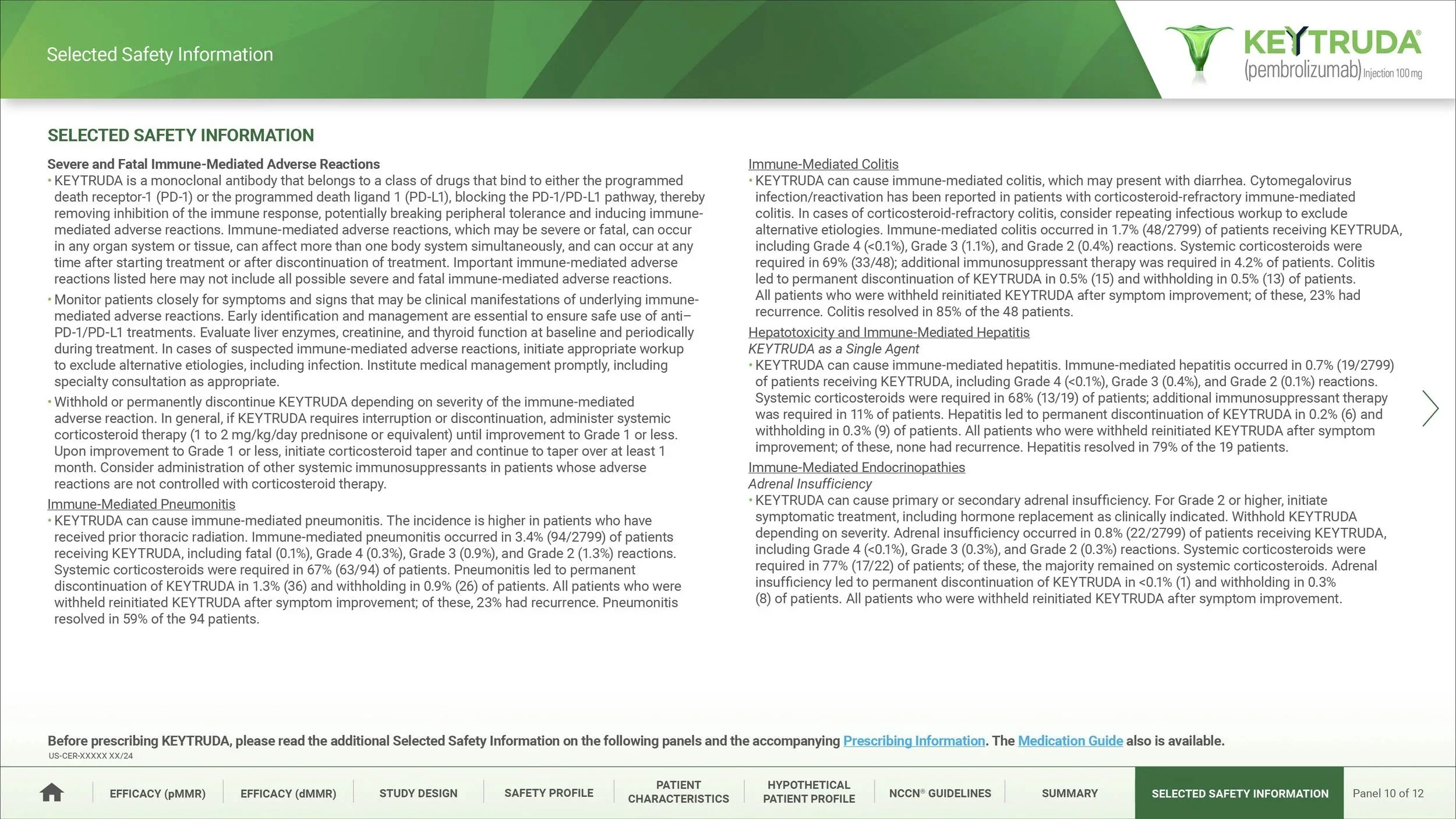
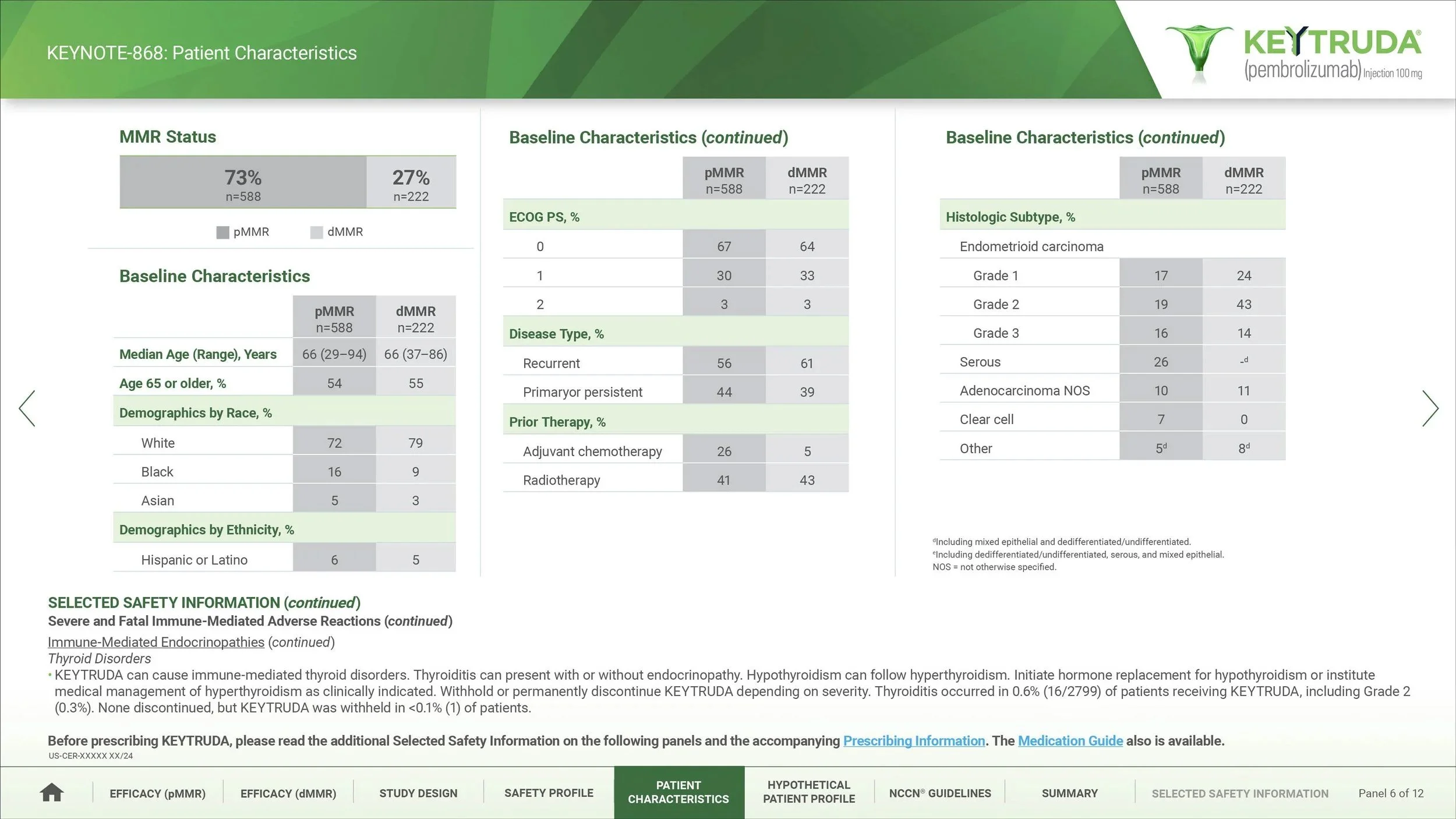
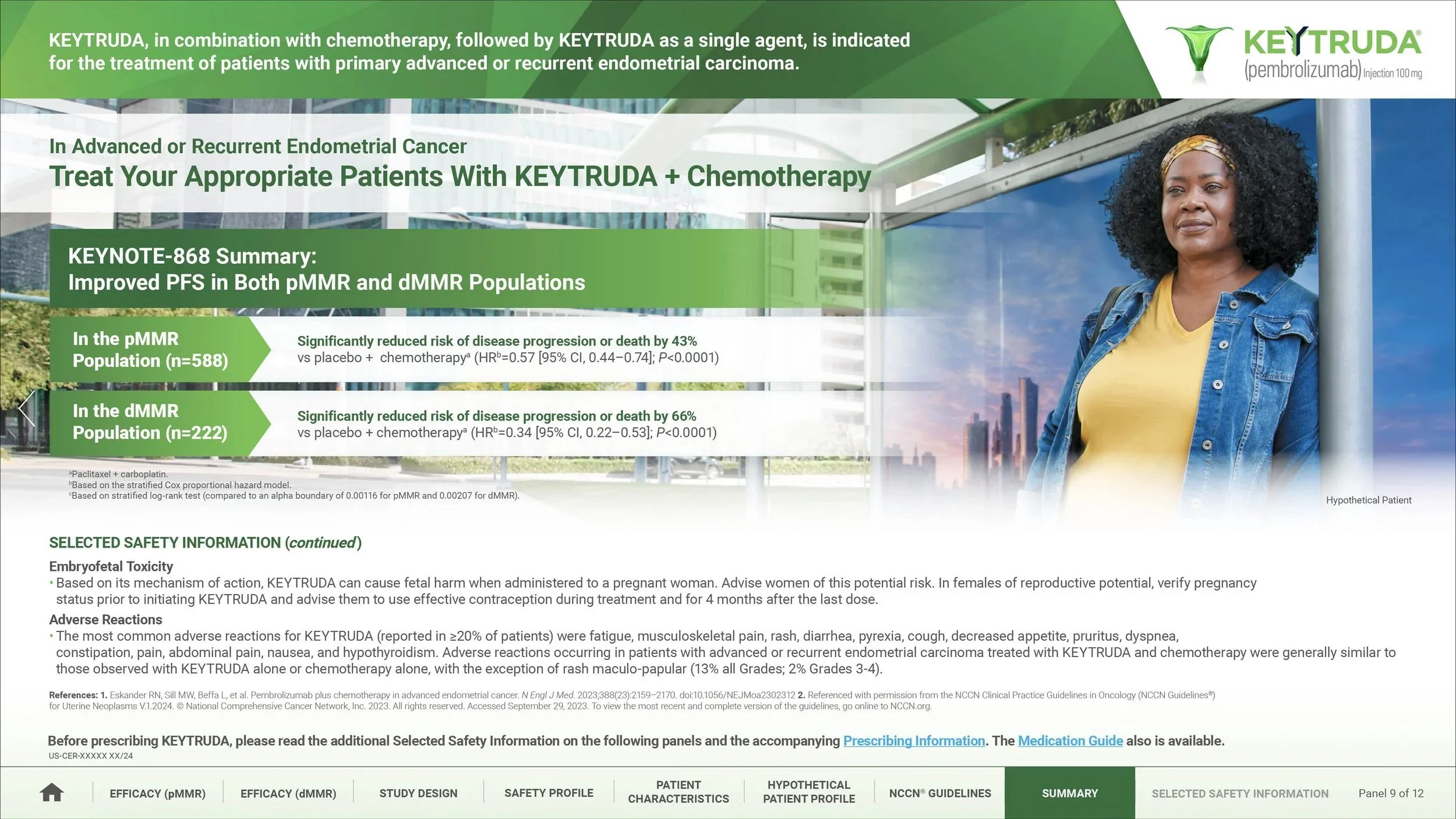
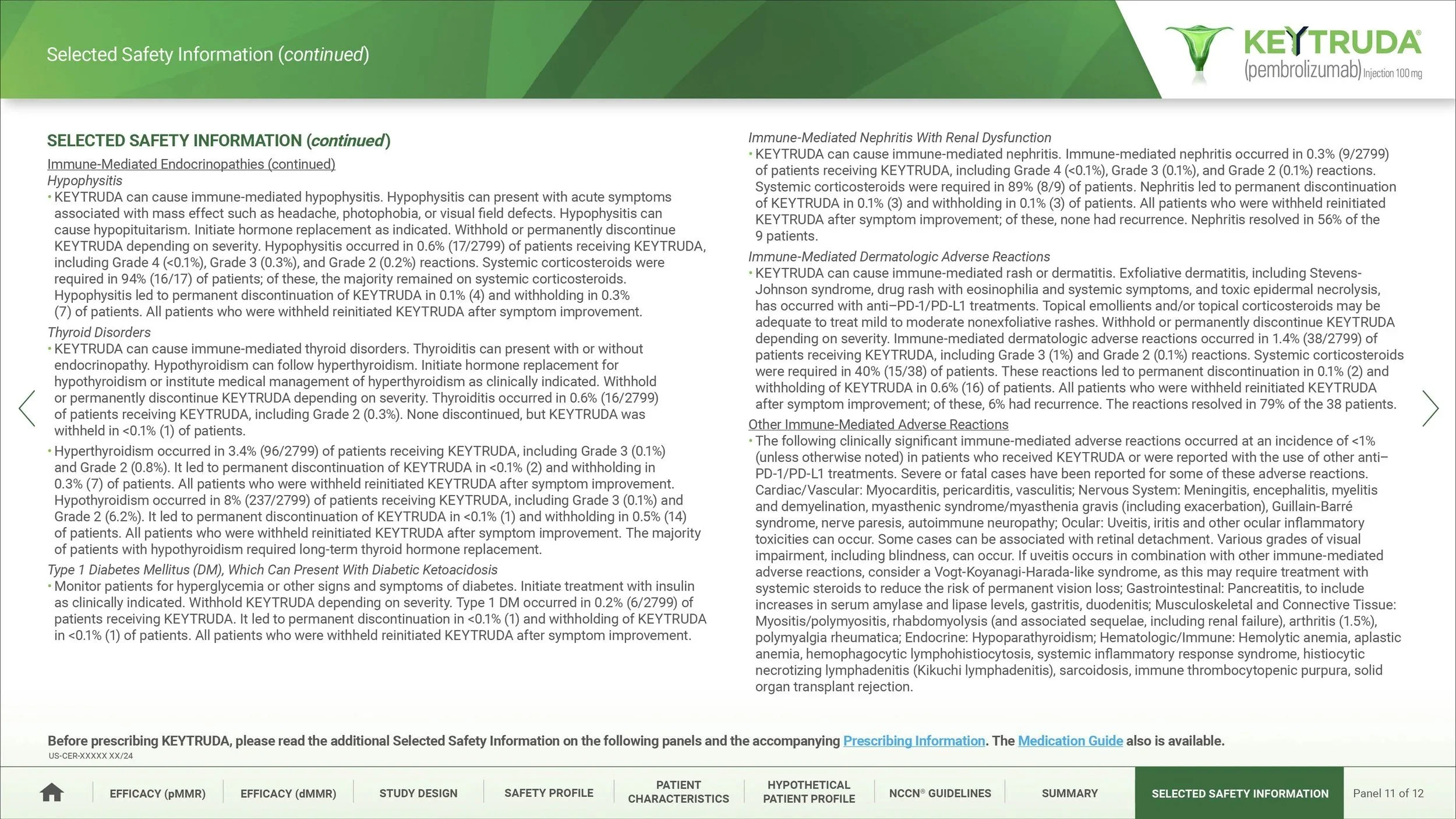
Large datasets, clinical information, and regulatory requirements demanded a design system capable of communicating with clarity while maintaining precision.
The challenge was to build frameworks that could scale across channels, translate client directives and design clinician data presentations without sacrificing accuracy or coherence.
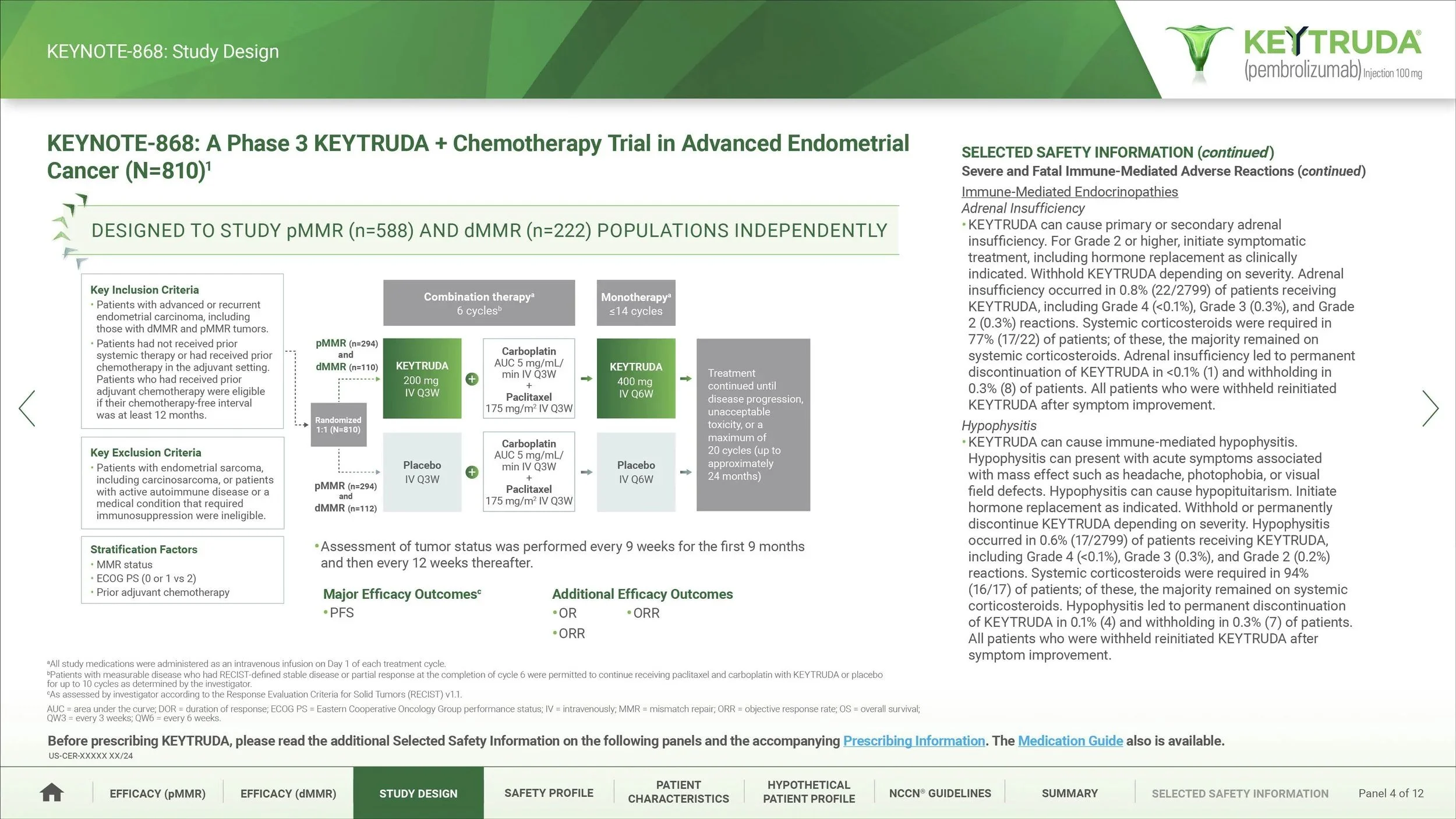
“Taming the complex while conforming
with regulations is the challenge.”
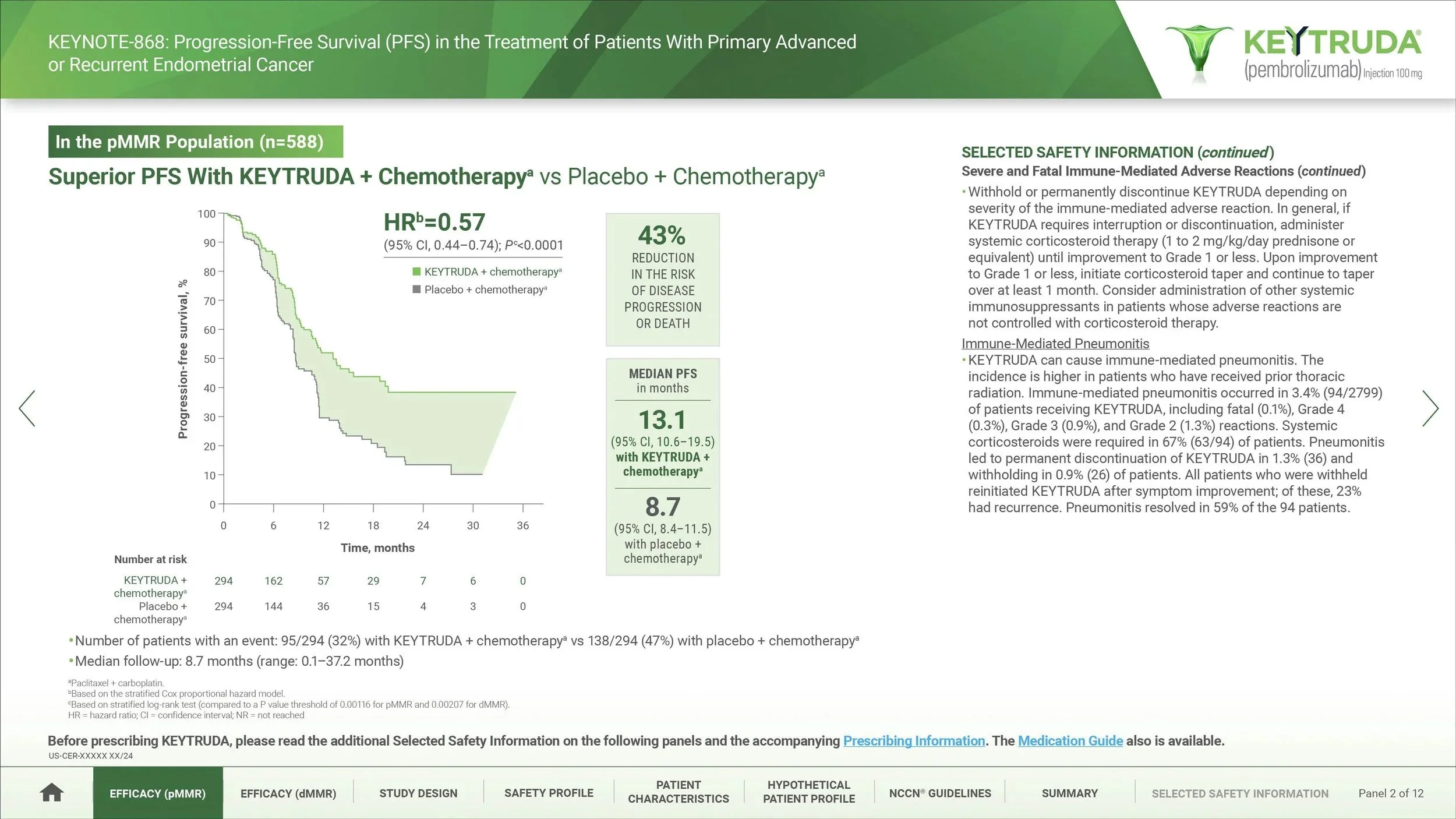
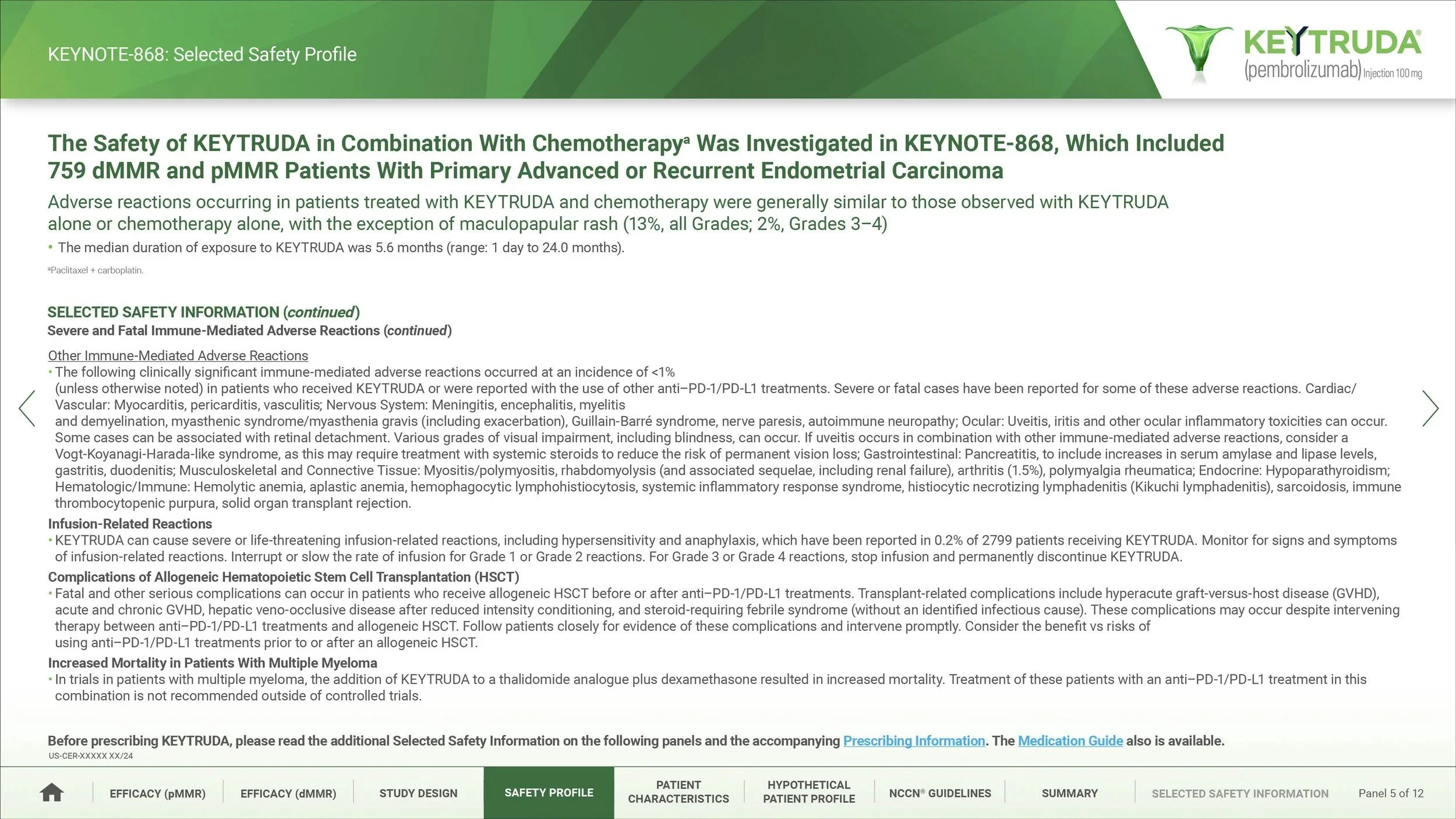
INFORMATION ARCHITECTURE & TAMING COMPLEXITY
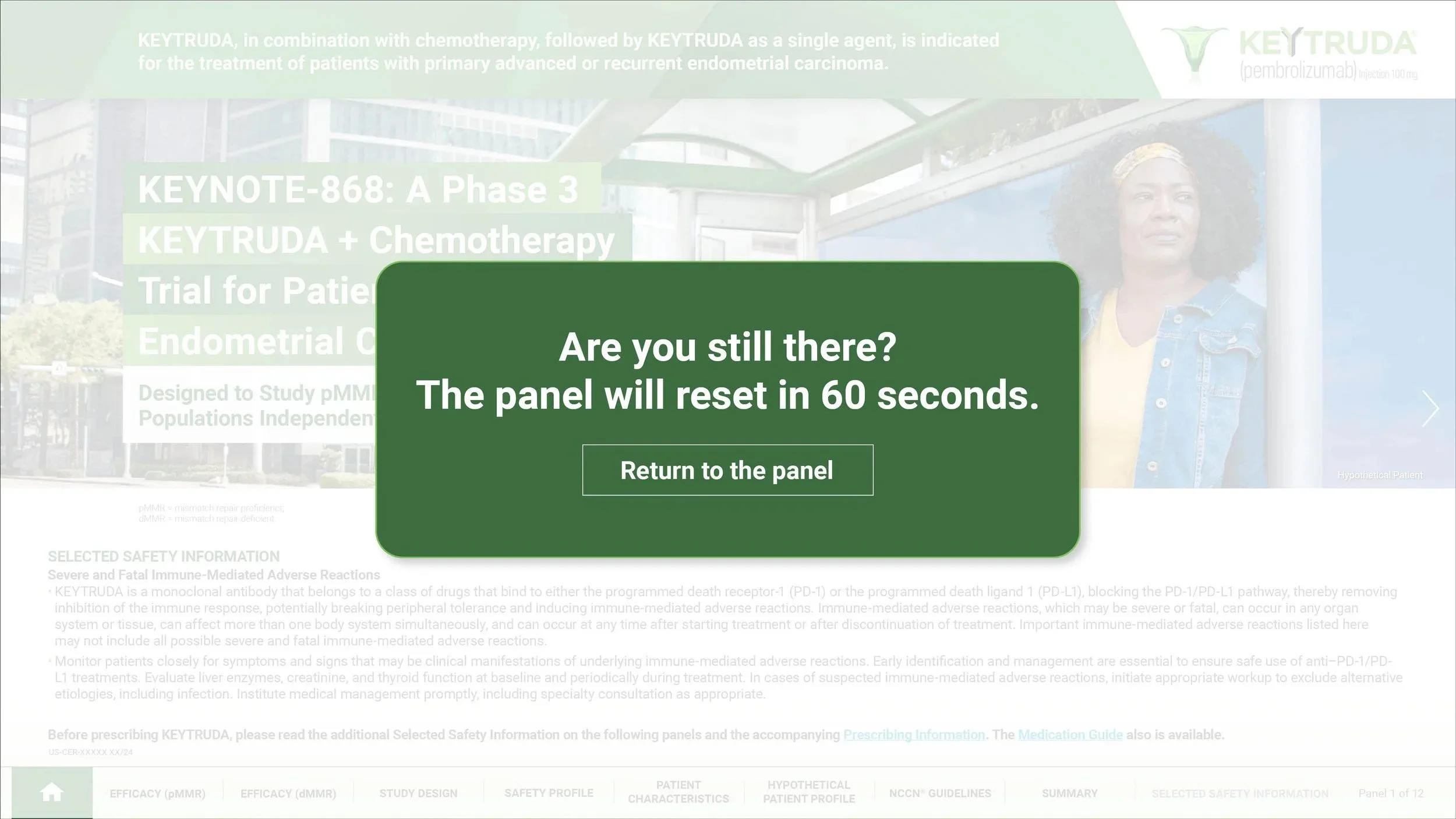
Decoding feedback and maintaining visual balance.
Every layout decision from the grids, typographic scales, and Keytruda’s color hierarchy each served their distinct purpose: reduce cognitive load while maintaining clinical precision.
Complexity was tamed through discipline,
not simplification.
PATIENT STORIES & EDUCATIONAL MATERIAL
Telling Human Stories with
Structured Communication.
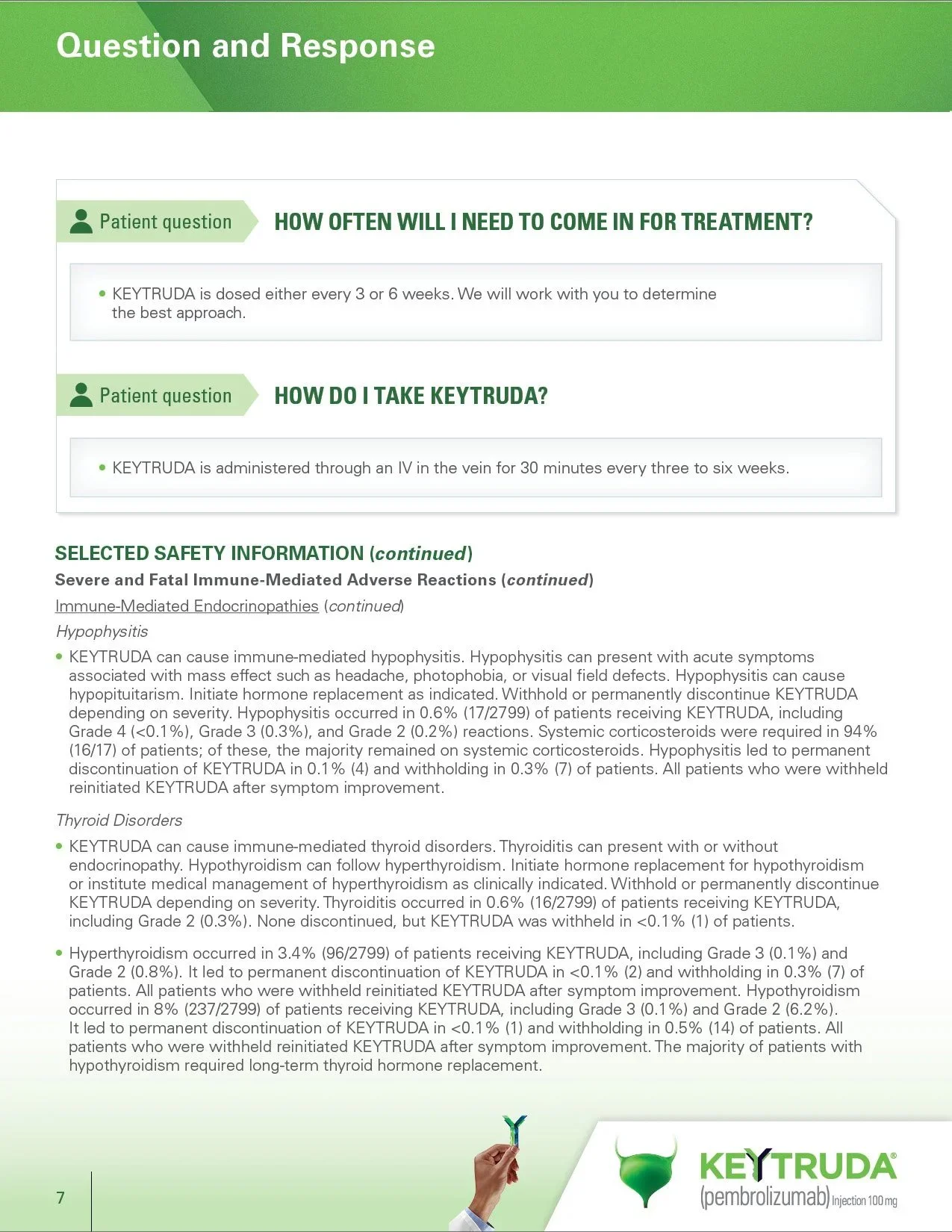
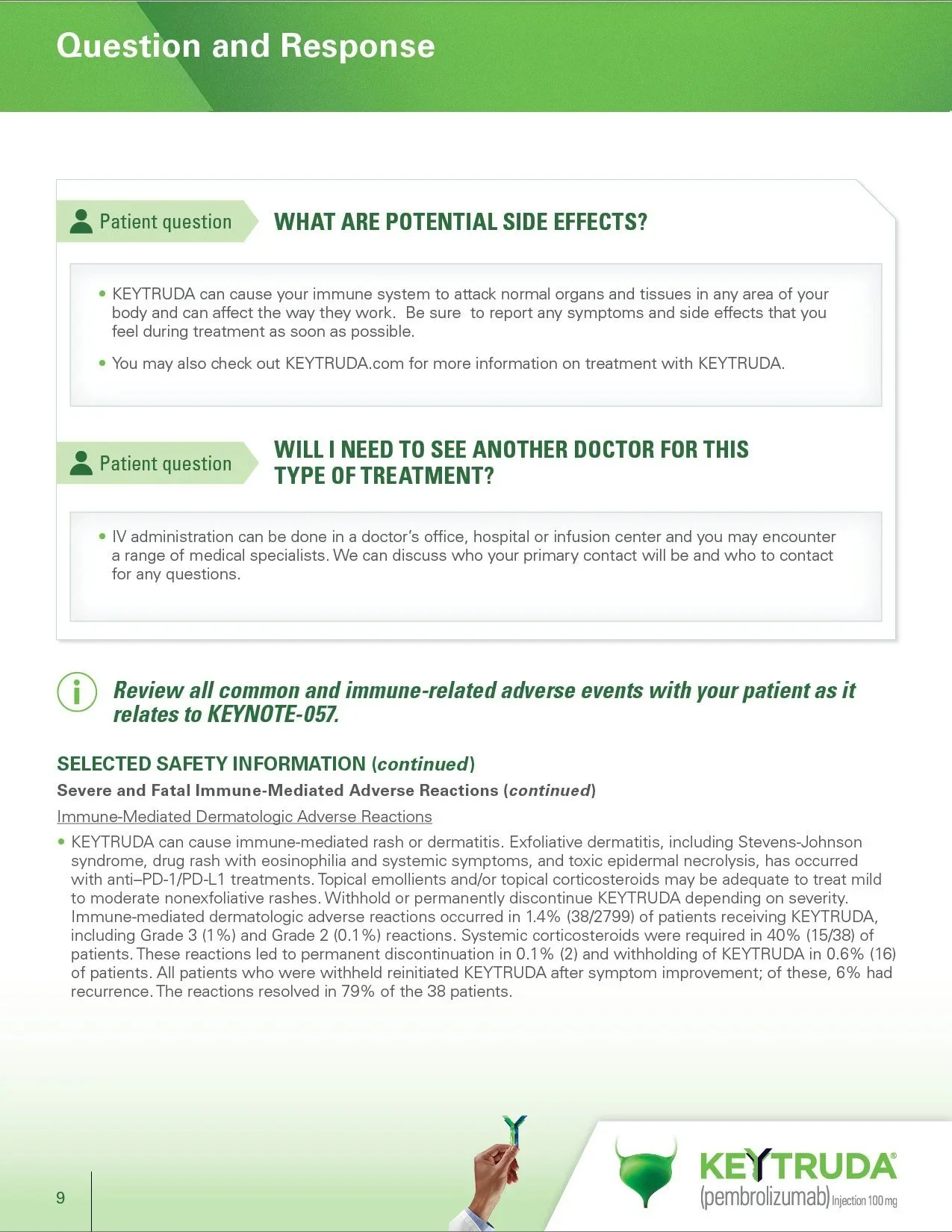
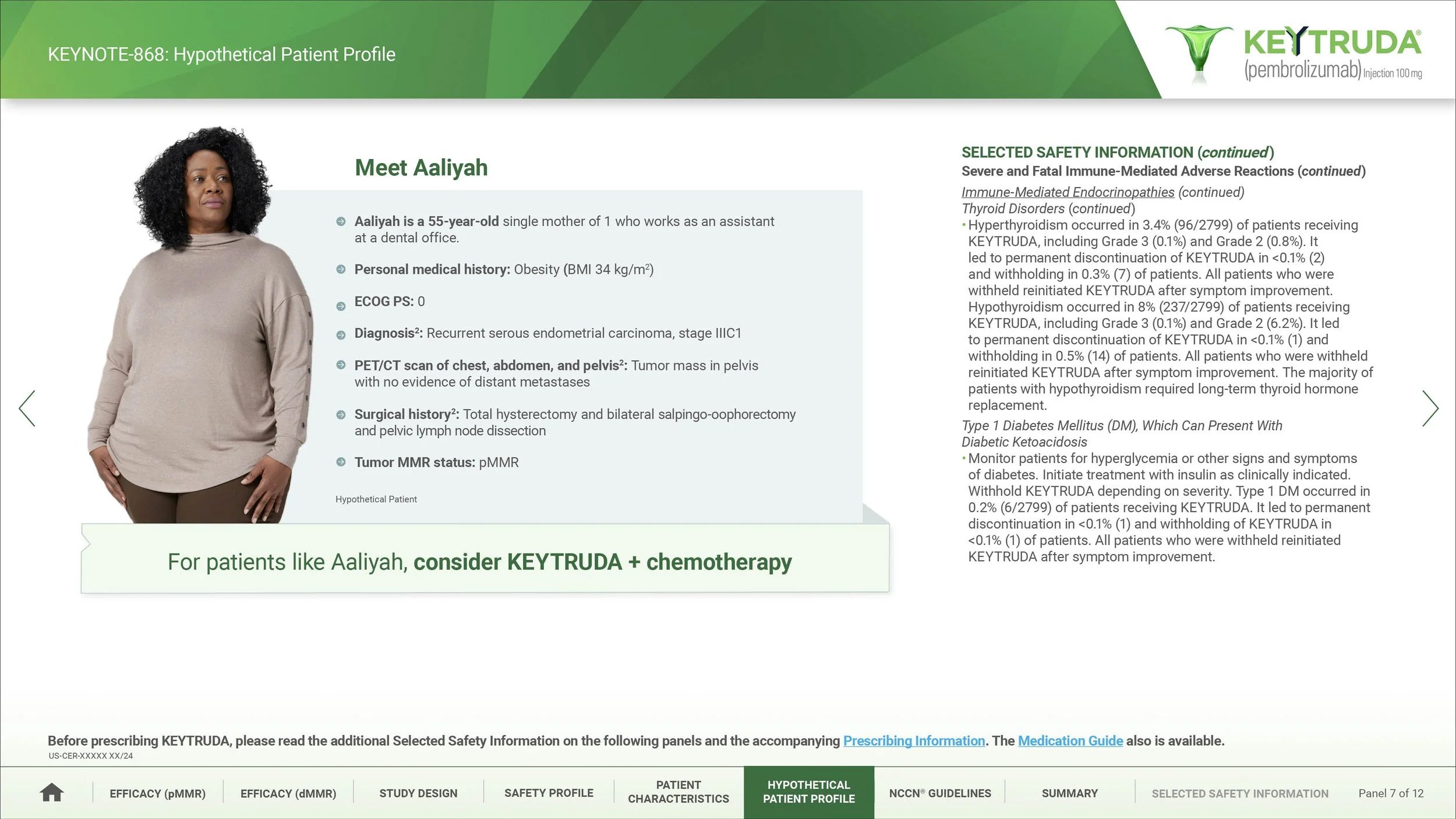
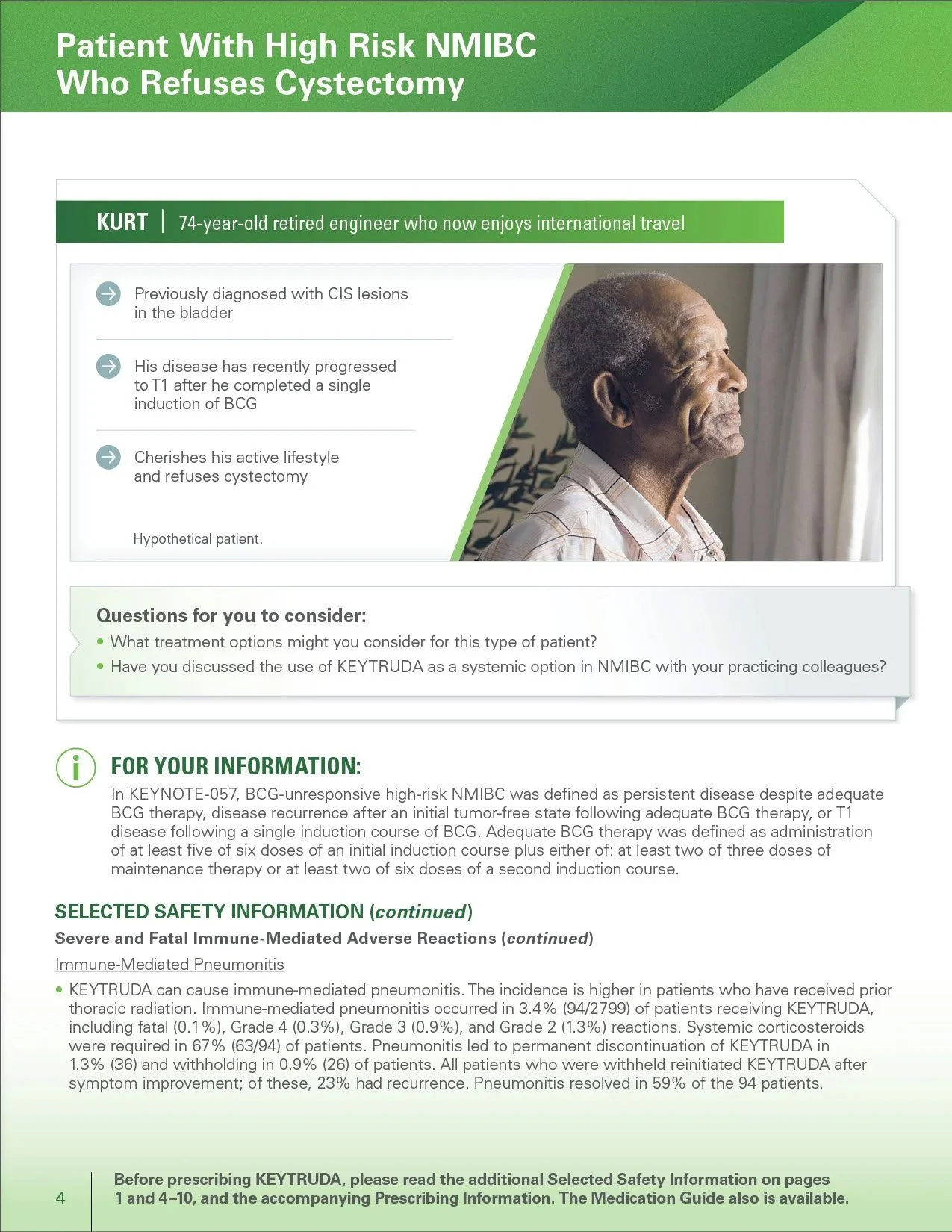
Beyond data and systems, effective communication requires empathy. These educational and patient-focused materials were designed to make critical information easier to understand and navigate.
The challenge was to honor the weight of the subject matter while creating patient profiles that were clear and accessible, while remaining visually clean and following regulation.
Magazine-inspired layouts brought editorial sophistication to materials that typically default to clinical utility. White space, typographic rhythm, and detail crops transformed functional documents into clinical tools for doctors.
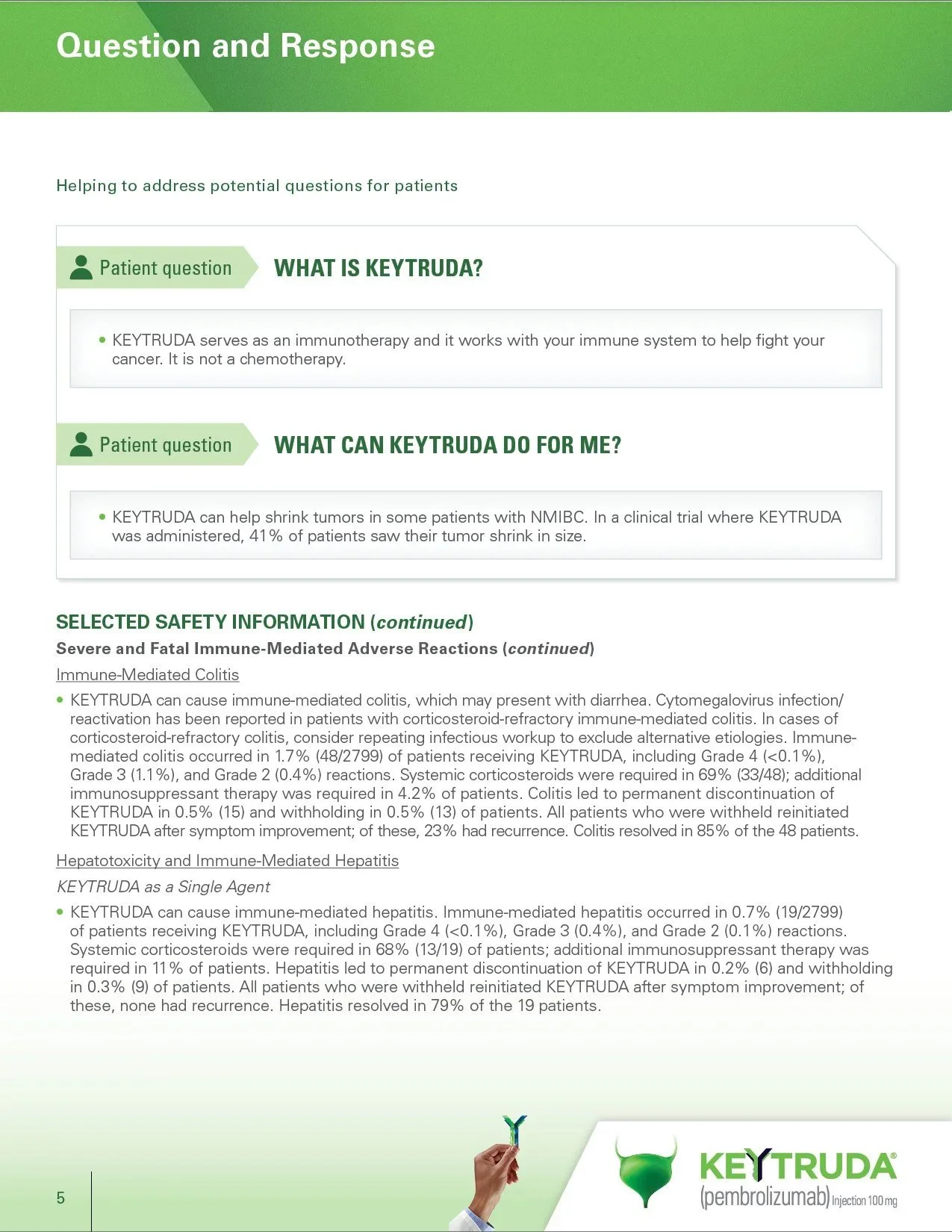
“The goal is to combine empathy, clinical data, and regulatory restrictions all while maintain visual hierarchy.”